
Refuse, Reuse, Recycle

Category

Waste & Recycling

Impact

Cost

Free

All the things we buy use a lot of energy — to source raw materials, to manufacture, and to transport — and thus, have big implications for the climate. Read what the Columbia Climate Schools says about How Buying Stuff Drives Climate Change.

How do we become more mindful about our consumption? 

  • Refuse Say no to disposable single-use plastic, coffee cups, utensils, straws, shopping bags, and anything that you could replace with a reusable option. For more suggestions of disposable products that you can replace with reusable or eco-friendly options, read 43 Ways to Reduce Your Plastic Disposable Waste
  • Reduce – Be mindful of what you buy. Purchase only what you need and limit impulse purchases. Buy second hand items whenever possible for clothing, furniture, etc. Learn more about ways to reduce how many new clothes you buy.
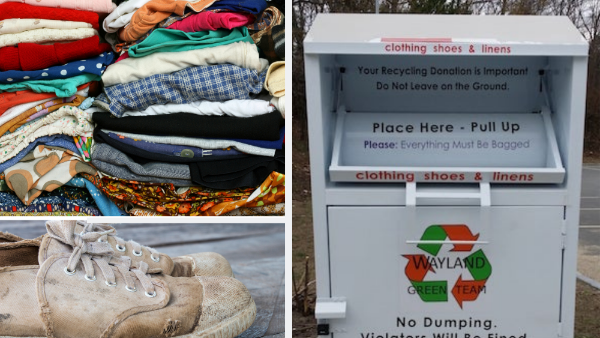
  • Reuse Before you throw something out, think about whether you could repair or reuse it for another purpose. Breathe new life into old pieces of furniture or donate these items. Visit Beyond the Bin to find a local donation center. For old clothes, swap parties are gaining in popularity. Go through your closet, gather a group of friends, and do a swap rather than a shop! 

Steps to Take

  1. Evaluate Your Needs: Before making a purchase, ask yourself if you really need the item. Wait 24 hours before deciding on impulse buys.
  2. Choose Quality Over Quantity: Invest in durable, high-quality items that will last longer, reducing the need for replacements.
  3. Reduce Consumption: Limit the number of items you buy by focusing on essentials and minimizing excess.
  4. Explore Secondhand Options: Shop at thrift stores, consignment shops, or online marketplaces for pre-loved items instead of buying new.
  5. Repair Before Replacing: When something breaks, consider repairing it rather than buying a new one.
  6. Submit a Testimonial: Let us know how it went! Write a testimonial, click on the testimonials tab.

Look for inspiration in other people’s experiences online (e.g., #BuyNothingChallenge, Mindfulness Spending), and ask your friends, neighbors, or family about their resource-saving actions.

Please reflect on your experience, and provide your thoughts by leaving a Testimonial to inspire others!

Deep Dive

Reducing and Reusing Basics

The most effective way to reduce waste is to not create it in the first place. Making a new product emits greenhouse gasses that contribute to climate change and requires a lot of materials and energy – raw materials must be extracted from the earth, and the product must be fabricated then transported to wherever it will be sold. As a result, reduction and reuse are the most effective ways you can save natural resources, protect the environment and save money.

Benefits of Reducing and Reusing

  • Reduces greenhouse gas emissions that contribute to climate change. 
  • Prevents pollution caused by reducing the need to harvest new raw materials.
  • Saves energy.
  • Reduces greenhouse gas emissions that contribute to global climate change.
  • Helps sustain the environment for future generations.
  • Reduces the amount of waste that will need to be recycled or sent to landfills and incinerators.
  • Allows products to be used to their fullest extent.
  • Saves money.

Ideas on How to Reduce and Reuse

  • Think Green Before You Shop. Reduce associated greenhouse gas emissions by thinking green when you shop.
  • Reduce your food waste by shopping smart, buying what you need, composting food scraps, and donating unused food to food banks or shelters. More ways to reduce your impact. 
  • Reuse or repurpose items such as old clothing, cloth grocery bags, and containers to prevent waste.
  • Buy used items to reduce waste as well as the emissions created by producing new materials or disposing of them in landfills. Donate unused clothing, electronics and building materials to make sure others can reuse them too! 
  • Buy products made with recycled content. Check labels to see if a product or its packaging is made from recycled materials
  • Know before you throw. Know what items your local recycling program collects and encourage your household to recycle right and recycle more.
  • Learn about what else you can do at home, at school, at work and in your community! 
  • Maintain and repair products, like clothing, tires and appliances, so that they won’t have to be thrown out and replaced as frequently. 
  • Borrow, rent or share items that are used infrequently, like party decorations, tools or furniture. 

How Do I Recycle Common Recyclables

You also want to make sure the items are recycled correctly. For general tips on how to recycle correctly, visit Recycling 101.


Resources for Donating Specific Goods and Materials

Households and Personal Items

Building Materials

Vehicles


Testimonials

🫠 No testimonials yet. Be the first to share your thoughts!

Add a Testimonial

0%

Subscribe

* indicates required
Email Preferences