
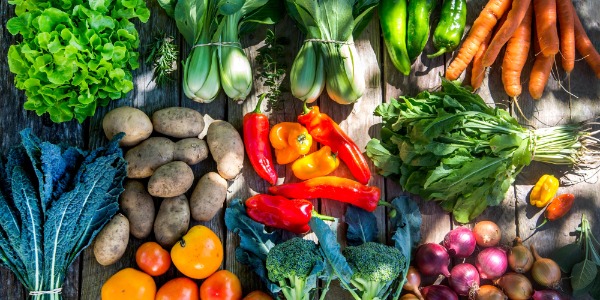
Eat Local with a FarmShare

Category

Food

Impact

Cost

$

Why Choose a CSA or Local Farmstand?

Joining a CSA (Community Supported Agriculture) or buying food directly from a local farmstand is a powerful way to eat seasonally and locally, while actively supporting your community. When you spend your money locally, it circulates within the local economy, helping farmers and neighbors alike. You also help keep local farmland in production.

Even better, you can meet the people who grow or prepare your food. Ask about their practices: Do they use pesticides? How are animals treated? Local farmers are often happy to answer your questions.

How Does a CSA Work?

Buying a share means you are committing ahead of the season, before seeds are in the ground, to support your farmer. Your payment helps cover seed, greenhouse supplies, and soil amendments at a time when storage crops have mostly sold out. Beyond financial support, your commitment sends a message of moral support — your farmer knows the community values the harvest and trusts the seeds will grow!

Steps to Take

  1. Find a CSA or local farm – Browse MassGrownMap farmstands.
  2. Purchase a share – Commit for the season and support your local farm financially.
  3. Engage with your farmer – Ask questions about their farming practices, animal care, and sustainability measures.

Enjoy seasonal produce – Pick up your share regularly, try new recipes, and savor fresher, tastier food.

Deep Dive

Environmental Benefits

Local food reduces “food miles”, meaning fewer miles in refrigerated, fuel-consuming trucks. In the U.S., conventionally distributed food often travels 1,500 miles from farm to plate, producing 5 to 17 times more CO₂ than locally or regionally produced food. (source)

However, transportation accounts for only about 11% of total food-related greenhouse gas emissions. The majority — roughly 83% — comes from the production phase, including non-CO₂ emissions like nitrous oxide and methane.

How Local Farms Help

Buying local can also reduce emissions from production. Small farms are often more climate-friendly:

  • Use fewer pesticides
  • Rebuild crop and insect diversity
  • Enrich soil with cover crops
  • Create wildlife-friendly border areas
  • Produce tastier, more nutritious food
  • Some even implement carbon sequestration practices

Food Safety Benefits

Decentralized, local production can also reduce food safety risks. Long-distance food travels through many points where contamination can occur, while local sourcing limits potential hazards.

Testimonials

🫠 No testimonials yet. Be the first to share your thoughts!

Add a Testimonial

0%

Subscribe

* indicates required
Email Preferences