Go Solar!

Category

Solar

Impact

Cost

$$$

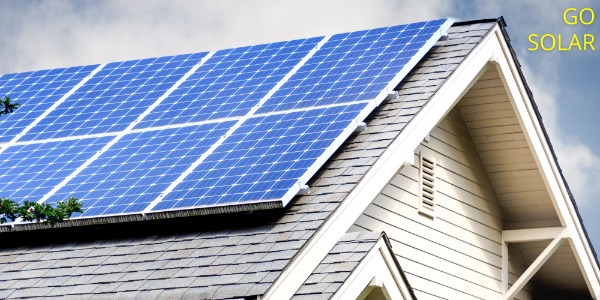
Over 250,000 homes and businesses in Massachusetts now have solar photovoltaic (PV) systems installed, creating a vast network of private power plants that collectively generate clean, renewable energy – and the number continues to grow.

Solar PV produces home-grown, safely-generated, clean electricity that contributes clean energy to the electric grid and reduces your CO2 emissions as well as nasty pollutants such as fine particulates, nitrogen oxides, sulfur dioxide and ozone. Every solar kWh means one less fossil fuel kWh. The electricity produced can be used to help charge electric cars and transition away from burning oil and natural gas by powering high-efficiency electric heat pumps for home heating and cooling.


What Incentives ARE Available Now?

1️⃣ SMART Program (State Incentive)

Massachusetts solar is currently supported by the SMART Program (Solar Massachusetts Renewable Target), administered by the state and utilities.

  • Provides a fixed per-kWh incentive payment for energy produced

  • Compensation varies by project size and utility territory

  • Incentive blocks fill over time (lower incentives than early years)

2️⃣ Net Metering (Still Active in MA)

Massachusetts continues to allow net metering through utilities such as:

  • National Grid

  • Eversource

However:

  • Compensation structure depends on system size and service class.

  • Credits roll over month-to-month.

  • “Schedule Z” credit transfers are still allowed but more structured than in earlier years.

Steps to Take

  1. To search for solar installers and get all your questions answered, go to Energy Sage, a clearing house and no-charge independent consultant for solar installers (solar installers pay finder’s fees to EnergySage).
    1. Enter your electricity bill info and approximate roof size on their website and get three free quotes emailed to you — no sales pitch involved! An Energy Sage staff person will contact you a few days later to answer ANY questions (technical, financial, etc.) and help you decide on an installer if you wish. You are not obligated to work through EnergySage, but it does thoroughly vet and integrate ongoing feedback from customers about installers.
    2. Once you have met with a few installers and are close to selecting one, you can check state-tracked data on volume, the average cost per watt, panel type, and inverter type for various installers. Search your County at MassCEC’s residential Solar Cost and Performance page.
  2. Your contracted installer will calculate the sizing and configuration of your system, and provide a financial estimate based on your electricity usage and available space. Once you have approved the design and signed a contract, the solar installer will handle the installation, including pulling permits and executing an Interconnection Agreement with National Grid.
  3. After the required electrical inspections, National Grid will install a net meter and give you the approval to power up your system.
  4. Let us know how it went! Add a Testimonial on this site.

Deep Dive

Check out this guide for a deeper dive into Solar PV: MassCEC Homeowners guide for Solar Power.

FAQ

  • How does solar power work? Solar electric systems, also known as solar photovoltaics or solar PV, convert sunlight into electrical energy through an array of solar panels that connect to a building’s electrical system or directly to the electrical grid. The Massachusetts Clean Energy Center (MassCEC) has some good background information on this here. 
  • How do I know if my home is good for solar? You can view your roof on Google Maps (click on the Earth box and enter your address) to get a sense for its orientation and potential shading from trees. South-facing roofs with little shade are best, but east and west-facing roofs work well too as long as there is little shade. Ideal roofs have long expanses of open areas but panels can be placed on smaller areas as well. Any installer you contact should be able to tell you on the phone if your roof is a good candidate. Some installers only want to work on the best roofs, but ultimately let it be up to you to decide if you want solar or not. In Wayland, we have homeowners who went ahead even though their roofs would have been declined by some installers.
  • What if my roof is old? Should I replace it before installing solar panels? 15 years is about the dividing line between installing panels on the current roof and replacing the roof and then installing panels. If you install the panels on the existing roof, the panels will protect the part of the roof on which they are installed. You can have the panels taken off and reinstalled when you decide to re-roof. 
  • Do I have to maintain my solar system? Generally the panels will sit up on the roof out of sight and out of mind, powering your home, even on cloudy days. There are no maintenance contracts to buy and New England weather will keep the panels pretty clean.
  • What happens when it snows? Snow will pile up on solar panels, but the sun’s energy soon melts the bottom layer next to the panels and the snow will come sliding down quickly. Snow guards are available to protect people and plants under the panels.
  • What about critters? If you frequently see squirrels on your roof, you can add critter guards to prevent them from damaging your system wiring.
  • How do I get paid for the electricity my system sends to the electric grid? On the days that your system makes more electricity than you consume, your meter will run backward. This is called net-metering. If you underproduce/overconsume over the billing period, Eversource or National Grid will charge you for the total amount of kWhs (kilowatt-hours) for the excess used kWhs at the full residential electricity rate. If your system has overproduced, Eversource or National Grid will not pay you back at the end of the billing period. Instead, they will put those kwHs in reserve. You can use up that credit during the darker months, when you won’t produce as much. If at the end of a full year you still have a credit, you can “Schedule Z” to any other electricity user in your load-zone. You can ask that off taker for $$, or donate it. More info here.
  • How big should my solar system be? Since selling excess electricity isn’t that straightforward (yet!), it makes sense to have a system that is properly “sized” just to cover your electric bill. However, you may decide to install a bigger solar system with future added electricity use in mind, like an electric car, or air-source heat pumps for heating and cooling.
  • What is the process of going solar? Generally a solar installer will ask for a copy of your electric bill and will prepare a proposed layout and financial estimate based on that and your roof space. Some parts of your roof may get more sun than others; you can change the layout to meet your needs. Once you have approved the design and signed off on the financials, the solar installer will handle the installation, checking roof structural support, pulling permits, obtaining equipment and scheduling the work. It may be a month or two until installation. Actual installation usually takes 2 days – electrical work and roof racking on day 1 and panel installation on day 2. After building and electrical inspections, Eversource or National Grid will install a new meter and give you approval to power up your system.
  • What happens when the grid is down? If you’re looking to keep powering your home when the grid is down, you’ll have to add a backup battery system, which is an expensive option. Otherwise, if there is a power outage, your electricity generation will be disabled during the power outage.

Testimonials

🫠 No testimonials yet. Be the first to share your thoughts!

Add a Testimonial

0%

Subscribe

* indicates required
Email Preferences